
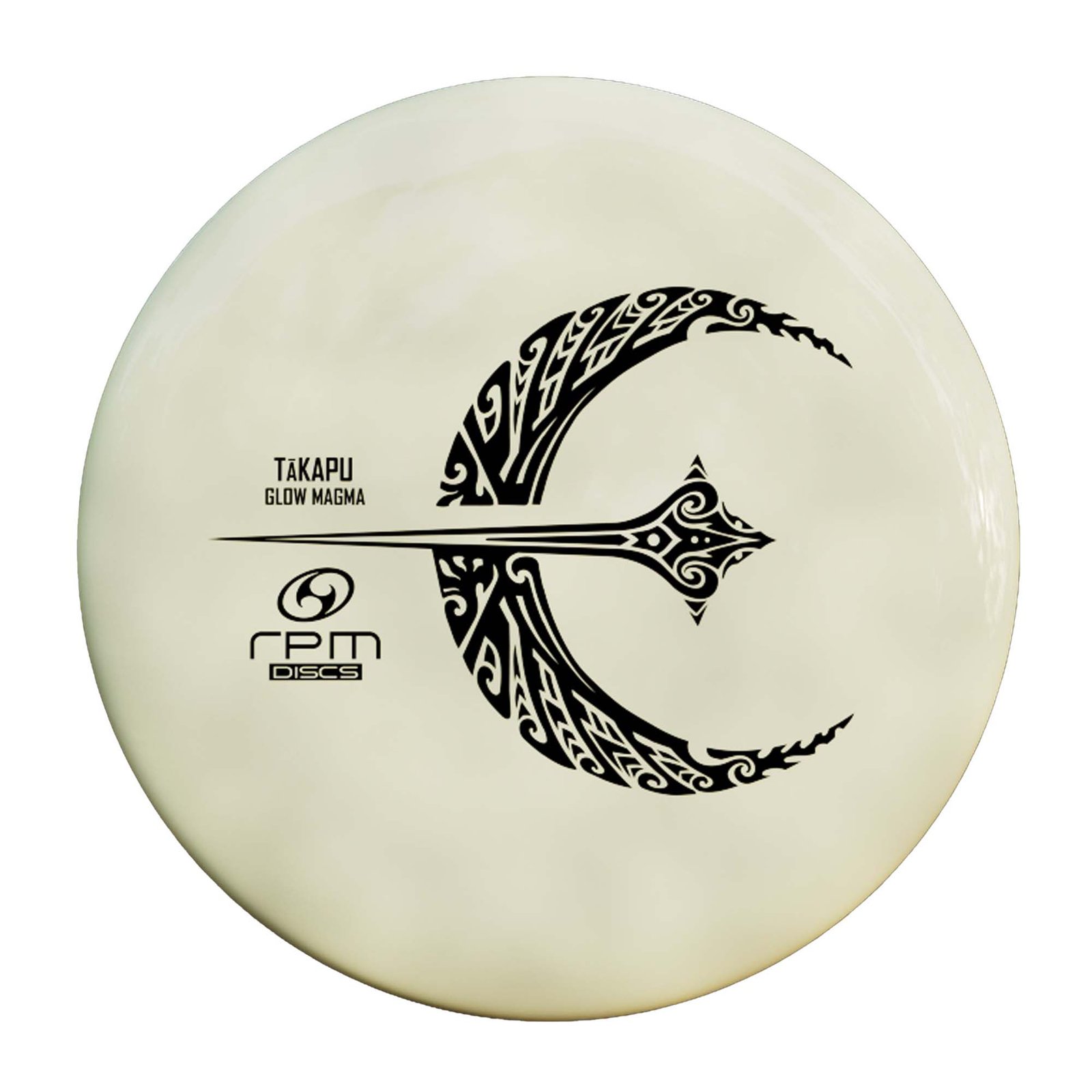

Corey Ellis Signature Takapu

US$28.70 excl GST
Corey Ellis Signature Disc
RPM Discs present a commemorative Corey Ellis Takapu.
A signature disc for one of the greatest putters in the game. Corey Ellis has selected a unique special blend of Magma and Glow, combining the feel he loves with a distinctive glow finish. Designed to Corey’s preference and trusted on the Pro Tour.
A percentage of the proceeds from each disc sale go to the players to aid in their touring costs.
*NOTE: This item is available through our website for our Australasian customers only at this time. For our customers in North America please contact OTB East for purchase.*
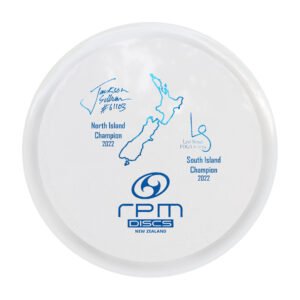
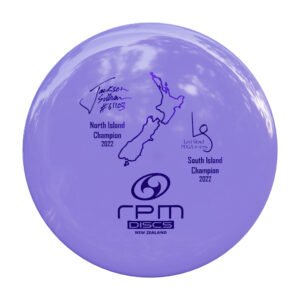

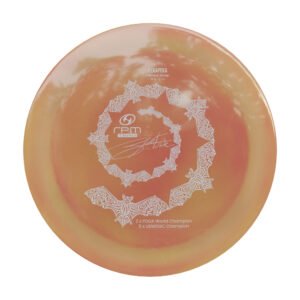


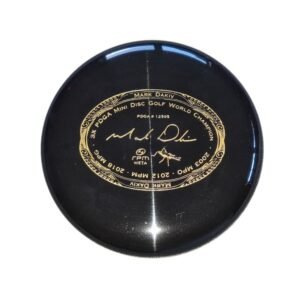
The Corey Ellis Signature Tākapu is molded in a special Magma and Glow blend plastic.- It is PDGA approved to 176g. The Tākapu has a slow and very stable flight with a gentle late fade. The bead-less rim and rounded nose fits perfectly into your hand and helps eliminate wobble. When thrown with high power they will hold their line like a laser beam. The Magma and Glow blend feels grippy. With a similar depth to the Ruru, they make great putters. Please note some images are examples only and may not be available for purchase.
- Model #: PA3
- PDGA Approved: Yes
- Diameter: 212mm
- Weight: 170-176g
- Speed: 2
- Glide: 3
- Turn: 0
- Fade: 2
- Plastic types: Glow Magma